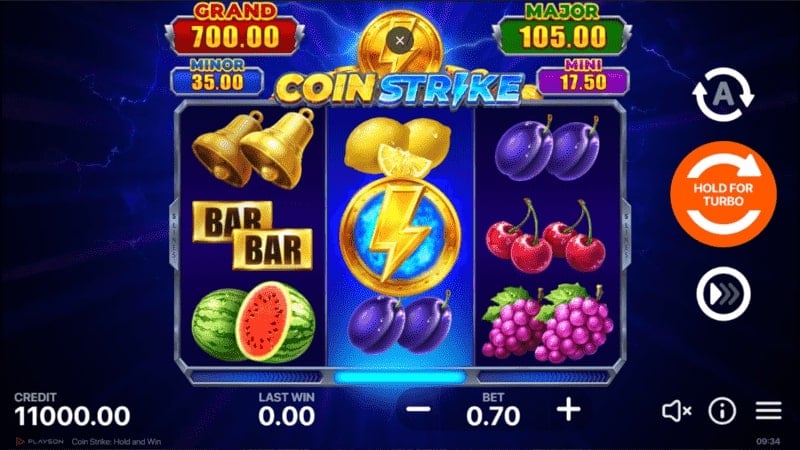
Found within the lively world of online slot games, additional information delivers a traditional fruit‑themed layout boosted by a bonus system that has attracted players across the United Kingdom. Produced by the well-known studio Playson, the game combines classic symbolism with a modern respin feature, but it is an often‑overlooked secondary function that truly makes it stand out: the gamble option. This manual draws back the curtain on that very element, explaining how the card‑based risk feature works after every qualifying win and what it means for session dynamics. Beyond the gamble, the slot’s structure rests on a 5‑reel, 3‑row grid with 25 fixed paylines, a Hold and Win coin collection round, and a mathematical profile that compensates patience and careful bet sizing. The following sections analyze each of these layers, going from the audiovisual presentation to the mechanical heart of the gamble option, before setting everything in the context of return‑to‑player percentages, volatility, and sensible play.
The Visual and Audio Identity and Core Themes
Coin Strike Hold and Win fits its mechanical frame in a style that harks back the golden age of land‑based fruit machines, a look that strikes a chord with a UK audience habituated to pub and amusement arcade slots. The background radiates with deep blue velvet curtains and subtle golden rays, while the reel symbols feature glossy cherries, lemons, grapes, watermelons, bells, and the iconic red lucky seven. These display in bright, high‑contrast colours meant to remain crisp on mobile screens as well as desktops. A gentle chime‑driven soundtrack runs during base spins, never drowning out the visual feedback, and it swells only when a bonus trigger lands, creating a clear auditory signal that something meaningful has occurred.
The design philosophy avoids clutter, putting all control buttons beneath the reels in a clean bar. The wild, a polished gold “Coin Strike” emblem, is positioned atop the paytable as a substitute for all regular symbols except the bonus coin. The scatter, absent from this specific title, hands over the bonus responsibility entirely to the golden bonus coin symbol, a deliberate choice that sharpens player focus on the Hold and Win mechanic. This visual cohesion fulfills a purposeful function: by lessening on‑screen distractions, the slot encourages engagement with the gamble feature that emerges in a clean pop‑up window after a win, never pulling attention away from the current reel state. Every pixel underscores a machine‑like simplicity that older players find intuitive while still fulfilling modern expectations for animation smoothness.
A Detailed Breakdown of the Risk Option
The Way the Gamble Feature Functions
After every spin or bonus round that produces a win, a “Gamble” button lights up beside the standard spin control. Tapping it reveals a side screen showing a facedown playing card drawn from a standard 52‑card deck. The player can then choose to gamble either half of the total win or the full amount. The interface plainly displays the current win value, the amount at risk, and the possible outcome for each choice. The gamble feature remains optional; the player can simply press “Collect” to return to the base reel screen with the win secured. This immediate post‑win decision point recurs frequently, and because the bet range reaches down to £0.25 per spin, even modest payouts provide a frequent invitation to participate in the gamble mechanic.
Color Gamble Versus Suit Gamble
Two modes of risk sit on the gamble screen. To begin, the colour gamble, asks the player to anticipate whether the hidden card will be red or black. A correct guess doubles up the gambled amount. Next, the suit gamble, asks for the exact suit of the card — hearts, diamonds, clubs, or spades — and a correct guess quadruples up the amount risked. The probability of a correct colour guess is a little less than 50 percent because the card could conceivably be a joker, but in this title the deck omits jokers, making the colour guess a pure 50:50 proposition from an chance perspective. The suit guess of course carries a 25 percent chance of success. The game does not modify these odds in any way across repeated gambles; each new attempt draws from a refreshed virtual deck.
Restrictions, Successive Rounds, and Practical Consequences
Users can wager a single win multiple times, up to a ceiling of five consecutive rounds or until the total win attains the slot’s cap, whichever comes first. If the cap is hit, the game mechanically retrieves and reverts to the base reel. After a loss at any stage, the full gambled sum is surrendered and the feature closes. This structure creates sharp psychological pressure: a string of four successful colour doubles can turn a £10 win into £160, but a single wrong suit guess instantly wipes out everything. The interface never forces the player; the collect option always remains visible, and the game never automatically activates a gamble. From a technical standpoint, the gamble feature uses a simulated number generator separate from the reel engine, ensuring that card outcomes do not match with reel results. The house edge on the gamble is built into the fact that even a balanced 50:50 colour guess prompts players to risk the full win over and over, raising the likelihood that a sole negative outcome restarts the sequence to zero.
Reel sets, Win lines and the Regular Payout System
The slot operates on a 5‑column, 3‑row matrix with 25 fixed paylines that pay from left to right, beginning on the first reel. A win needs at least three corresponding symbols to stop on adjacent reels along an active line, except for the highest‑value symbols such as the lucky seven and the wild, which also pay for two‑of‑a‑kind pairs at a reduced rate. All line wins are multiplied by the coin bet, and only the top win per line is paid. The game shows paytable values in real time based on the chosen total bet, so players always see the exact cash return rather than coins, a clearness that UK audiences tend to prefer. The wild symbol stands in for everything except the golden bonus coin, and five wilds on a line pay the top regular symbol prize.
The smiley‑faced bonus coins do not give line wins themselves; they serve purely as the initiator for the Hold and Win round. During base play, any reel position can stop these gold coins, each stamped with a coin value or a jackpot label. When at least six bonus coins appear anywhere on the grid simultaneously, the game transitions to the respin feature. Below that trigger threshold, any number of coins that appears but does not activate the feature simply disappears after the spin pays out its line wins. This design holds the anticipation centred squarely on the visual count‑up of coins, and because the base game awards coins frequently enough to maintain momentum, it leads directly into the decision point that follows even modest line wins: the gamble button activating, offering a risk on the freshly credited payout.
Wager Setup, Payout Table Value and Highest Win Limit
The betting interface of Coin Strike Hold and Win allows a total bet range that typically spans from £0.25 up to £100 per spin, catering to both casual players and those who opt for higher stake sessions. The bet is modified using a unified slider rather than separate coin‑value and coin‑per‑line selectors, so the player views exactly the total stake per round. The 25 paylines are always active, meaning no configuration can reduce the number of lines to lower the minimum cost. This fixed‑line approach maintains the game’s return‑to‑player percentage consistent regardless of bet size, an important factor for UK players who prioritize transparency. The paytable adjusts all symbol wins proportionally to the chosen stake, so the top‑paying five‑of‑a‑kind combination of the lucky seven pays a set multiple of the total bet rather than a fixed cash figure.
The maximum single‑spin win before any gamble enhancement is limited at 1,000 times the total stake, which is attainable only through the Hold and Win Grand jackpot by filling all 15 grid positions with bonus coins. Regular line wins, even with a screen full of wilds, attain a lower multiple. The gamble feature can in theory push a smaller win up towards that cap, but the game will not let the gamble to exceed the 1,000x ceiling; if a gamble sequence would push the total above that, the game automatically collects the win at the cap. This protective ceiling is plainly outlined in the game rules and prevents the rare extended gamble run from creating an anomaly. For players who seek the maximum payout, the combination of the Hold and Win feature and the gamble option provides a clear path, though the variance inherent in both systems signifies any specific session can end well before that target.
A Closer Look at the Hold and Win Respin Feature
Triggering the Bonus and Coin Value Tiers
The Hold and Win feature triggers the moment at least six golden bonus coins show up in any positions on the reels. The triggering coins immediately stick to the grid, the values they display are set, and the game gives three respins. Every fresh coin that appears during the respins also sticks and resets the respin counter back to three. This loop continues until the player uses up respins or fills every single reel position with a coin. Then, in addition to all visible coin values, the Grand jackpot prize is granted. The coins display several value types: direct cash numbers typically ranging from 1x to 15x the total bet, Mini jackpot (around 10x), Minor (around 25x), Major (around 100x), and the Grand (1,000x). The Grand can only be achieved by filling the whole grid.
The Collect Symbol and Jackpot Mechanics
A special “Collect” symbol can also land during the respin rounds, accumulating the sum of all visible coin values on the screen at that moment and merging it into its own value before the symbol itself becomes sticky. This mechanism significantly boosts the bonus profit potential because a Collect symbol showing up late in a round can harvest a screen thick with coin labels. It also brings a strategic breath‑holding moment: the more coins already present, the stronger a Collect symbol’s appearance is. By ensuring the respin counter does not expire, every new coin or Collect symbol adds to that final payout. The complete feature happens on a separate set of reels where only coin symbols, Collect symbols, and blanks show up, eliminating the effect of regular payline symbols entirely. This clear division allows the gamble feature to work after the Hold and Win round concludes, as the total bonus win feeds into the same gamble interface as any standard line win.
Return to Player, Fluctuation and the Mathematical Structure
Coin Strike Hold and Win shows a theoretical return to player (RTP) of 95.68 percent in its standard configuration, a number that places it in the typical range for contemporary Hold and Win slots aimed at the UK market. This number represents the long‑term projected payback across billions of virtual spins and incorporates the effect of both the bonus round and the gamble feature, although gambling does not modify the fundamental RTP of the slot engine itself — the gamble option has its own separate mathematical profile. The game’s volatility is best characterized as medium‑high, which indicates that while base game wins occur relatively frequently, the magnitude of those wins tends to be moderate, and the genuinely large payouts gather inside the Hold and Win round or after a winning string of gambles. The reported hit frequency sits at roughly 24.7 percent, so just under one in four spins returns some kind of win.
The bonus round trigger rate averages around one in every 160 spins, a pace that can feel ample during longer sessions but should not be confused for a certain event. Because the gamble feature attaches to every win, it effectively heightens the session variance further; a player who participates with it consistently converts a medium‑high volatility base game into a individual sequence of high‑variance micro‑decisions. The mathematical independence of the gamble card draws means that no pattern is present to capitalize on in the long run, though short bursts of good fortune are of course achievable. The slot’s design incorporates these numbers to remain compliant with UK Gambling Commission technical standards, and the game’s information panel presents the RTP and relevant rules in a specific help screen that any operator must make available.
Effective Session Approaches and the Influence of the Gamble Option in Playtime Planning
Because the gamble feature is entirely optional, the primary strategic decision a player makes in Coin Strike Hold and Win is whether to engage with it and, if so, how frequently. Examining the card‑based mechanics without greed suggests a disciplined approach: view the gamble as an entertainment add‑on rather than a loss-chasing method. A player who claims every win immediately will experience the slot as a straightforward Hold and Win game with a moderate-to-high volatility; the bonus round becomes the key feature. A player who consistently gambles small wins once on colour, then collects, brings a second layer of mild excitement without exposing the entire bankroll to repeated coin‑flip losses. The five‑round limit acts as a natural break, and many experienced UK slot enthusiasts set a personal rule to never exceed two consecutive successful gambles on any single win.
The slot’s bet range caters to a variety of session budgets. Someone playing at £0.25 per spin with a £50 starting balance could estimate around 200 spins, during which one bonus round trigger is probable but far from guaranteed. Engaging the gamble feature on wins of £0.50 or £1 extends gameplay only if luck cooperates, so the less risky path for longer entertainment is to gather small and medium wins, keeping the gamble for the uncommon event a bonus round pays out more than 20x stake. Ultimately, the gamble option rounds out the slot’s personality, presenting a second screen of pure chance that reflects the coin‑flip tension of classic fruit machines, but it requires the same clear‑headed limit setting that all forms of gambling require. The game’s help files, accessible under the menu icon, explain exactly how the card deck operates and reiterate that outcomes are independent, leaving the player with full control over when to press collect.