Walking into the world of online casino gaming for the first time can seem like stepping through the doors of a sprawling, glittering complex with no map. The sheer number of games, the terminology, and the subtle differences between one table and another can be overwhelming. This guide cuts through the noise and lays out exactly what a beginner needs to know. It covers the core categories of games found at a modern UK-facing platform such as vipstacasino jackpot slots, explains how each works in practical terms, and links between game rules, bonus mechanics, payment realities, and the security framework that keeps everything in place. By the end, any newcomer will have the clarity to make informed choices rather than relying on guesswork.
Interactive Casino and the Real-Dealer Experience
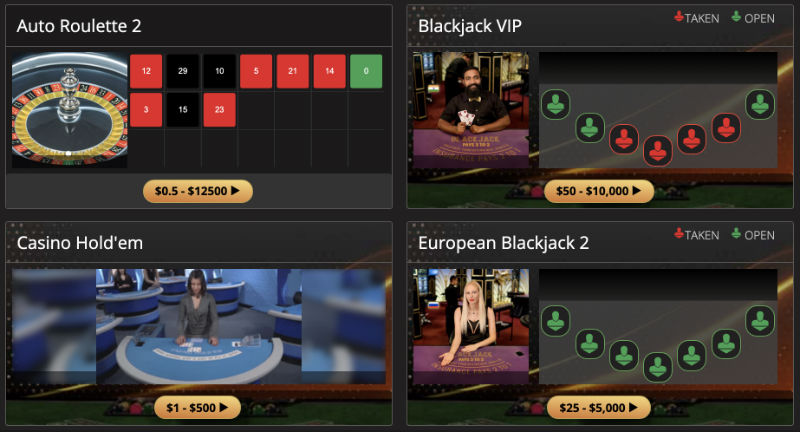
Live casino closes the gap between digital convenience and the environment of a physical gaming floor. Real dealers manage actual tables from purpose-built studios, with every card shuffle, wheel spin, and dice roll streamed in high definition. Players make wagers through a digital interface overlaid on the video feed, and outcomes settle in real time. The dealer can see aggregate bets and occasionally notice player chat messages, creating a social dimension lacking from standard RNG table games. For a UK audience habituated to televised gaming and interactive broadcasting, the format feels immediately familiar.
Game variety within the live lobby stretches well beyond blackjack and roulette. Baccarat tables accommodate players who prefer a game with no strategic decisions, simply betting on player, banker, or tie before the cards are revealed. Game show hybrids combine wheel-spinning mechanics with multiplier features and bonus rounds, often hosted by charismatic presenters rather than traditional dealers. Live poker variants such as Casino Hold’em pit players against the dealer rather than other players, removing the intimidation factor of competitive poker rooms. A newcomer at Vipsta Casino browsing the live section should note the minimum bet thresholds displayed on each table thumbnail, as live games typically carry slightly higher minimums than their digital equivalents.
Streaming quality and interface design significantly affect the live experience. Laggy video or clunky bet placement diminishes immersion quickly. Reliable platforms invest resources in multiple camera angles, close-up views of the wheel or shoe, and clear audio so players hear the dealer’s commentary. The chat function should function without overshadowing the game interface. Beginners who feel uncertain about table etiquette can observe a few rounds before sitting down. Watching how other players pace their bets, handle wins, and interact with the dealer provides a social script that makes joining far less daunting.
Payment Methods, Deposits, and Payout Realities
Shifting money to and from an online casino account requires additional practical steps than many novices realize. Depositing funds normally complete right away via debit cards, e-wallets including PayPal or Skrill, bank transfers, and sometimes prepaid vouchers. UK-facing platforms operate under regulations that mandate debit card deposits solely; credit card gambling transactions have been banned since 2020. A first-time depositor at Vipsta Casino should verify the minimum deposit threshold, which typically falls between £10 and £20, and confirm whether any fees apply. Most operators swallow deposit fees, but confirming avoids surprises.
Withdrawals introduce verification procedures that first-time players should expect rather than fear. Identity verification, often called KYC or Know Your Customer, demands supplying documents including a passport or driving licence alongside a recent utility bill or bank statement verifying address and date. This process fulfills anti-money laundering regulations implemented by the UK Gambling Commission and usually happens once, after which subsequent withdrawals process faster. Processing timelines fluctuate greatly by method. E-wallet withdrawals could finish within a few hours once approved. Bank transfers may take three to five business days. Debit card withdrawals frequently land somewhere between those poles.
Pending periods and reverse-withdrawal features warrant notice. Many platforms keep withdrawal requests in a pending state for a window, sometimes 24 to 72 hours, during which a player can reverse the request and restore funds to their gaming balance. This functionality, while ostensibly a convenience, may weaken bankroll discipline. Experienced players frequently advise letting the pending period expire naturally rather than reversing. Additionally, withdrawal limits might be imposed per transaction, per day, or per week, and progressive jackpot wins sometimes follow separate payout schedules. Reviewing a specific withdrawal policy page resolves most practical questions before they become frustrations.
Rewards, Wagering Requirements, and Promotional Terms
Welcome bonuses feature prominently in the online casino landscape, but their true worth is found in the small print of wagering requirements. A standard structure might match a first deposit by a certain percentage up to a capped amount, then include a bundle of free spins on selected slots. The wagering requirement, stated as a multiplier such as 35x, governs how much must be staked before bonus funds or winnings derived from them can be withdrawn. If a player receives £50 in bonus money subject to a 35x requirement, they must make £1,750 in qualifying wagers before cashing out. This calculation changes everything about how a promotion should be handled.
Game contributions to wagering rarely distribute evenly. Slots often count 100%, meaning every pound wagered on a qualifying slot reduces the full pound from the requirement. Table games often contribute far less, sometimes 10% or even 0%, because their low house edge would allow mathematically easier clearance. A beginner intending to clear a bonus predominantly on blackjack or roulette should first confirm the contribution percentage in the terms and conditions. Free spin winnings typically convert to bonus funds and come with their own wagering requirements, producing a two-step clearance process that takes many new players by surprise.
Time limits, maximum bet caps while wagering is active, and game eligibility lists merit equal scrutiny. Most bonuses expire if requirements remain unmet within a set window, commonly 7 to 30 days. Placing bets above a stated maximum, often £5 per spin or hand, can cancel the bonus and any associated winnings. Excluded games may contain high-RTP slots or specific progressive jackpots. The key principle for any beginner at Vipsta Casino or elsewhere is that a promotion only benefits those who comprehend its mechanical constraints. Reading the full promotional terms needs minutes and can prevent the disappointment of voided winnings weeks later.
Slot Machines and How They Actually Work
Slots dominate online casino sections for a good reason. They need no background knowledge, deliver quick outcomes, and cover an immense creative scope from straightforward three-reel fruit games to complex multi-reel video slots with multi-path bonus features. Each modern slot runs on a Random Number Generator, a software mechanism that generates numerous separate number sequences per second. The moment a player activates spin, the RNG fixes on a value that translates to a certain reel arrangement. Nothing from previous spins affects the next result. A machine that has paid nothing for two hundred spins is not any more “owed” a win than one that just awarded a jackpot.
Paylines, reel setups, and unique symbols make up the essential language a beginner requires. Classic slots may offer a single payline across the centre, while current video slots often feature 20, 50, or even numerous paylines zigzagging across the reels. Wild symbols substitute for other winning icons to finish winning combinations. Scatter symbols usually trigger free spin rounds or bonus features irrespective of whether they hit a payline. Understanding these distinctions matters because a slot showing five matching symbols on a line a player was unaware of still pays. Reading the paytable before playing avoids confusion and reveals how bonus rounds are accessed.
Bonus systems merit special consideration. A lot of modern slots feature progressive jackpots that pool contributions from players across various casinos. A tiny fraction of every wager feeds the prize pool until someone triggers the grand payout. Fixed jackpots, by comparison, provide a predetermined top prize that remains unchanged. Free spin rounds commonly include multipliers, expanding wilds, or symbol transformations that temporarily alter the base game mathematics. A beginner checking out the extensive slot catalogue at Vipsta Casino profits from playing a few rounds in demo mode first. Watching how bonus features trigger and what standard payout amounts are offers realistic expectations that no review can entirely communicate.
Authorisation, Protection, and Player Protection in the UK
The regulatory framework regulating online casinos in the UK is counted among the most rigorous internationally. The UK Gambling Commission licenses every licensed operator aiming at British players, applying conditions covering game fairness, advertising standards, anti-money laundering procedures, and responsible gambling obligations. Playing at a UKGC-licensed venue means the Random Number Generators and live game equipment are subject to regular independent testing. Player funds are required to be segregated from operational accounts, securing deposits in the event of operator insolvency. A beginner can verify a licence by scrolling to a website’s footer and cross-referencing the licence number against the Commission’s public register.
Security protocols extend beyond regulatory compliance into the technical infrastructure. SSL encryption shields financial transactions and personal data from interception. Two-factor authentication, where available, adds a layer of account protection that stops unauthorised access even if login credentials become compromised. Reputable platforms display privacy policies detailing exactly what data they collect and whether they share it with third parties. These documents could look dense, but checking the section on data sharing indicates whether an operator provides customer information to marketing affiliates. The calm reassurance of knowing the regulatory and technical safeguards sit in place enables a beginner focus on the games themselves.
Responsible gambling tools form a mandatory feature rather than an optional extra under UK regulations. Deposit limits can be set daily, weekly, or monthly and typically tighten immediately while loosening demands a cooling-off period. Reality checks interrupt play at chosen intervals with a session summary and the option to continue or log out. Time-out periods lock the account for a predetermined span, and self-exclusion options prevent access for months or years. Any beginner establishing a new account profits from configuring at least a deposit limit before making a first deposit. Setting boundaries in advance is much simpler than attempting damage control after a session drifts beyond comfort.
Selecting Games That Match Your Taste and Funds
Game selection should flow from honest self-assessment rather than marketing prominence. A player who enjoys suspense and the potential of transformative wins may lean toward progressive jackpot slots or high-volatility video slots, recognizing that dry spells are the price of that upside. Someone who favors steady engagement and longer sessions for a modest deposit finds better alignment with low-volatility slots, blackjack with low minimum bets, or even-money roulette wagers. Neither preference is more justified, but mismatching the two can sour an entire evening. A beginner should try categories in small doses before committing a full session bankroll to any single game type.
Session bankroll management requires explicit planning. Allocating a deposit into session units prevents the common scenario of exhausting an entire balance in twenty minutes. If a player deposits £100 and intends to play for two hours, setting a per-spin or per-hand amount that aligns with a comfortable pace requires simple arithmetic. On a slot with £0.50 minimum spins, a hundred spins costs £50 and might consume fifteen to twenty minutes. Modifying the stake downward or selecting a slower-paced game extends the session without requiring additional deposits. Live dealer tables, with their deliberate dealing tempo and social interludes, naturally pace a session more gently than rapid-fire digital games.
Finally, using demo modes and small-stake exploration constitutes the most efficient learning method available. Nearly every online platform, including Vipsta Casino, offers free-play versions of slots and digital table games. Spending thirty minutes in a demo environment introduces a newcomer with bonus triggers, typical payout frequency, and the game’s general rhythm without financial consequence. Once real-money play begins, starting at the minimum stake level while adjusting to the interface and pace prevents expensive mistakes born of unfamiliarity. The casino floor will remain there tomorrow, and there is no prize for rushing through the learning curve in a single sitting. Cultivating genuine familiarity over multiple sessions produces far better outcomes than an impatient first-night deep dive.
Mobile Gaming, Apps, and Device Support
Mobile play has transitioned from a alternative to the primary mode of play for a large segment of UK casino members. Modern platforms deliver their entire game catalogs through mobile-friendly sites that adjust automatically to mobile and tablet displays, negating the need for dedicated apps in many instances. Touchscreen interfaces substitute mouse clicks, with buttons and wager sliders reworked for finger accuracy. A session that begins during a trip on a phone can carry on effortlessly on a desktop at home, as player balances, promotion progress, and play histories update in real time across devices.
App vs browser differences carry practical consequences. Casino-specific applications, where offered, may provide push notifications for new bonuses and faster loading times for frequently played games. Browser mobile access requires no downloading, uses no permanent storage beyond cache data, and assures the player always uses the most recent software update without manual upgrades. Both options should offer the entire game selection, though a few of older titles designed for desktop screens may present smaller versions or leave out certain design elements. Verifying that live casino streams run without issues on mobile links before committing to a long play session prevents mid-game annoyance.
Performance standards should correspond with device realities. Newer phones from any major manufacturer manage modern casino software without problems. Older devices or those with low memory may face longer loading times on graphics-heavy 3D slots. Consistent internet access counts more than pure speed; a reliable 4G network surpasses patchy Wi-Fi. Responsible gambling tools, such as deposit limits and session time notifications, should be available on every device variant. The mobile gaming experience at a quality platform like Vipsta Casino reflects the desktop play experience in features, not just looks, so a player who masters a game on one screen type can enjoy it on another without relearning the layout.
Understanding the Casino Advantage and RTP
Any casino game rests on a mathematical foundation that shapes long-term outcomes. The house edge represents the structural statistical advantage the operator possesses over players. A game with a 3% house edge signifies the casino expects to retain £3 for every £100 wagered across thousands of spins or hands. Return to Player, or RTP, flips that perspective. An RTP of 97% signifies that theoretical payout over extended play. Crucially, these figures depict long-run averages across millions of rounds, never a single session. A beginner may win considerably in an evening despite a low-RTP game, or lose steadily on a high-RTP title.
Different categories feature sharply different house edges. Classic European roulette with a single zero operates at roughly 2.7%, while American roulette with its additional double zero nearly doubles the house advantage to about 5.26%. Blackjack played with optimal basic strategy can push the house edge below 0.5%, making it one of the most player-friendly propositions. Slot RTPs usually range between 94% and 98%, with the exact value shown in each game’s information panel. A newcomer at Vipsta Casino should review those RTP figures deliberately before committing significant play time to a particular slot or table variant.
One persistent misconception warrants correction. A game displaying 96% RTP does not suggest an individual depositing £100 will walk away with £96. Variance, sometimes called volatility, dictates how results distribute across short sessions. Low-variance slots dispense small amounts frequently. High-variance games can consume deposits for long stretches before yielding a single large win. Understanding this distinction aids beginners match game selection to their personal patience and budget. Someone nursing a modest bankroll through a relaxed evening will likely fare better on low-variance options than on a high-volatility jackpot chase.
Approaches, Misconceptions, and Typical Beginner Mistakes
No betting method changes the house edge of a game founded on independent random events. The Martingale system, which involves doubling a bet after every loss on even-money roulette wagers, generates a pattern of frequent small wins interspersed with rare catastrophic losses that eliminate accumulated gains. The flaw is not subtle: table limits and finite bankrolls make certain the doubling sequence eventually hits a ceiling precisely when the recovery bet becomes unaffordable. Similarly, the belief that a slot machine enters “hot” or “cold” cycles misinterprets the nature of RNG-driven outcomes. Each spin remains independent, and any apparent pattern is the human brain imposing narrative on noise.
Chasing losses stands as the most destructive and most common beginner mistake. After a losing session, the impulse to deposit again and recover those funds through larger bets frequently amplifies the damage. A far more effective approach involves setting a loss limit before playing and treating it as the cost of entertainment rather than a debt to be repaid. Another widespread error concerns misunderstanding bonus terms and then attempting to withdraw before meeting requirements, which leads to forfeited funds and unnecessary friction with customer support. Reading the terms first and asking support for clarification on ambiguous points costs nothing and preserves goodwill on both sides.
On the strategy side, a few concrete steps do materially improve outcomes. Learning basic strategy for blackjack, as discussed earlier, lowers the house edge to its mathematical minimum. In video poker, playing the optimal hold strategy transforms a game that can exceed 99% RTP from one that might otherwise fall below 96%. For slots, choosing games with published RTPs above 96% and moderate volatility aligns the experience with longer play sessions rather than rapid depletion. None of these practices guarantee short-term wins, because no such guarantee exists anywhere. They simply ensure the player pays the lowest possible mathematical price for the entertainment, which is the only genuinely achievable edge.
Traditional Table Games and Their Core Rules
Blackjack occupies a unique position as the sportsnet.ca table game where player decisions directly shape outcomes. The objective is clear: assemble a hand total closer to 21 than the dealer’s hand without exceeding it. Number cards carry face value, face cards count as ten, and aces alternate between one and eleven. Each round begins with two cards dealt to the player and one dealer card visible. Based on that information, the player chooses to hit, stand, split pairs, or double the wager on promising hands. Dealer behaviour follows rigid rules, typically drawing on totals of 16 or less and standing on 17 or higher.
Optimal basic strategy converts the game from guesswork into a near-even contest. Strategy charts, widely available and perfectly legal to consult, specify precisely whether to hit, stand, split, or double for every possible player total against every possible dealer upcard. A player holding 16 against a dealer’s 7 should hit despite the risk of busting, because standing yields a worse long-term outcome. Memorising even the most common twenty decisions significantly narrows the house edge. Live dealer blackjack tables at platforms like Vipsta Casino provide a relaxed pace ideal for consulting a strategy card between hands, something impossible in the frantic tempo of a physical casino floor.
Roulette condenses excitement into a spinning wheel and a bouncing ball with no player decisions beyond wager placement. The European wheel carries 37 pockets numbered zero through 36, with the single green zero creating the house advantage. Bets divide into inside wagers on specific numbers or small clusters, which carry higher payouts and lower win probabilities, and outside wagers on broader categories such as red or black, odd or even. A straight-up bet on a single number pays 35 to 1. Outside even-money bets pay 1 to 1 and approach a 50% chance of success, barring the zero pocket. Beginners often find roulette an accessible entry point precisely because the rules demand no study and the betting grid offers full control over risk appetite.